
- Dye & Pigment Manufacturing – For complex dye formulations
- Textiles – As a fixing agent in synthetic dyeing
- Photography – Used in photographic fixing solutions
- Chemical Synthesis – Reactant or intermediate in organic and inorganic synthesis
- Corrosion Inhibition – Additive in anti-corrosion formulations for oil and gas
- Laboratory Use – Precursor in chemical reactions and analytical reagents
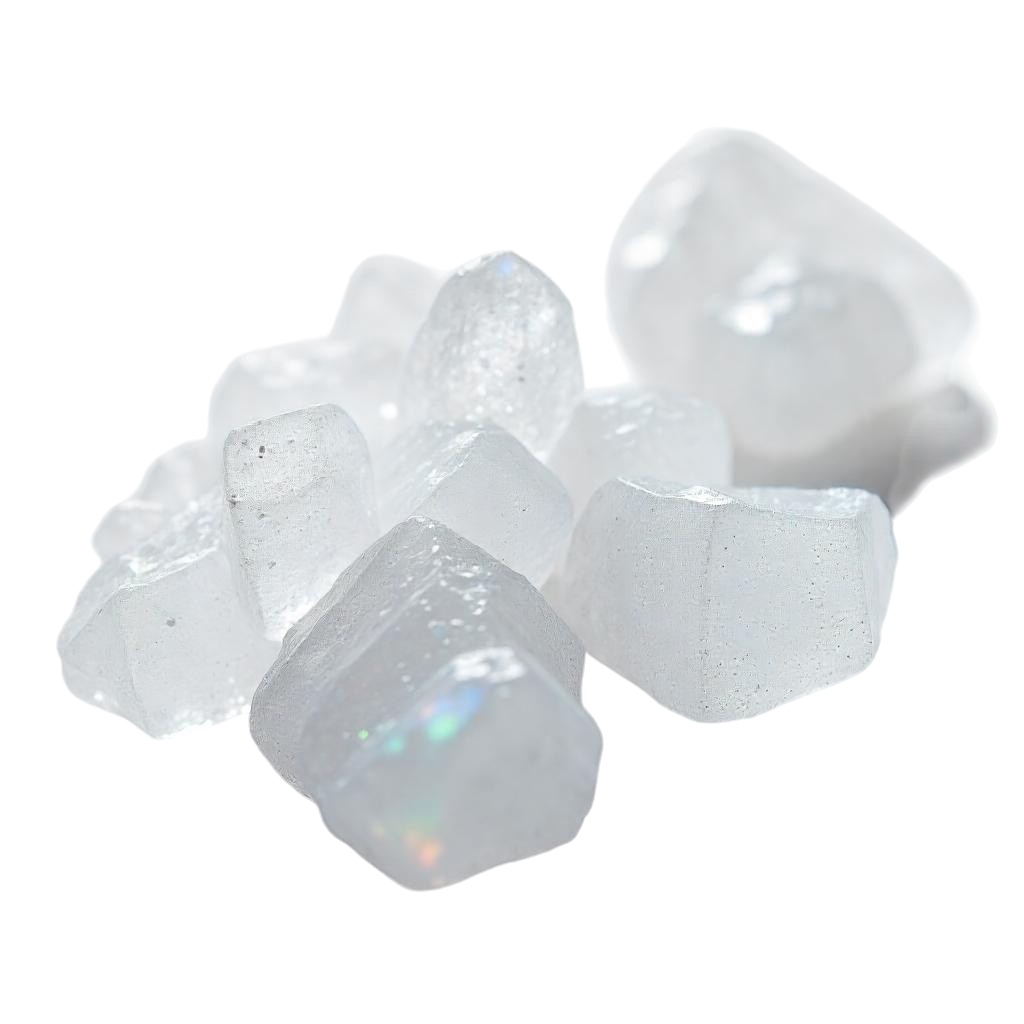
Sodium Thiocyanate (NaSCN)
Your Trusted Sodium Thiocyanate Supply Partner
We supply high-purity Sodium Thiocyanate (NaSCN, CAS No: 540-72-7) suitable for a broad range of applications including dye production, photographic processing, chemical synthesis, and corrosion inhibition. Our product is supplied with a Certificate of Analysis (CoA) and Material Safety Data Sheet (MSDS) to ensure compliance with quality and safety standards.
Available Grade
| Grade | Concentration | Common Applications |
| Industrial | 98–99% | Dyes, chemical synthesis, textile processing, photo fixing |
Chemical & Physical Properties
| Property | Value |
| Chemical Formula | NaSCN |
| Molecular Weight | 81.07 g/mol |
| Appearance | White crystalline powder |
| pH (1% solution) | ~6.5–7.5 |
| Melting Point | 287 °C (decomposes) |
| Solubility | Highly soluble in water and ethanol |
| Density | ~1.735 g/cm³ |
| UN Number | 2923 |
| Transport Hazard Class | 6.1 (Toxic Substance) |
| Packaging Group | III |
Packaging Options
- 25 kg bags
- 500 kg bulk bags
- Custom packaging available on request
Hazard Identification
Signal Word: DANGER
Hazard Statements:
- H301: Toxic if swallowed
- H312: Harmful in contact with skin
- H332: Harmful if inhaled
- H400: Very toxic to aquatic life
Precautionary Measures:
- Use personal protective equipment: gloves, goggles, and masks
- Avoid release to the environment
- Wash thoroughly after handling
- Store in a dry, well-ventilated area, away from acids and oxidising agents
Request a Quote or Safety Data Sheet (MSDS)
Contact us today for bulk pricing, safety documents, or to discuss your supply requirements.
Industries That Use Sodium Thiocyanate
Safety and Handling Guidelines
Sodium Thiocyanate is toxic and must be handled with care:
- Inhalation Risk: Avoid dust; may cause respiratory irritation
- Skin Contact: May cause irritation—wash thoroughly after contact
- Eye Contact: Can cause irritation—flush eyes with clean water
- Ingestion: Harmful if swallowed—seek medical attention immediately
- Storage: Store in tightly sealed containers, protected from moisture and light
- Disposal: Dispose of via certified hazardous waste channels
Why Partner with 1204 Capital for Sodium Thiocyanate?
- Reliable, High-Purity Product
- MSDS and Technical Support Available
- Flexible Packaging and Fast Logistics
- Trusted by Manufacturers and Research Labs
- Competitive Pricing for Bulk Orders
